Planning Your Visit: Tips for a Comfortable Day
What to bring, best times to visit, how to pace yourself, and where to rest. Everything you need for an enjoyable museum experience without stress.
Why Planning Matters
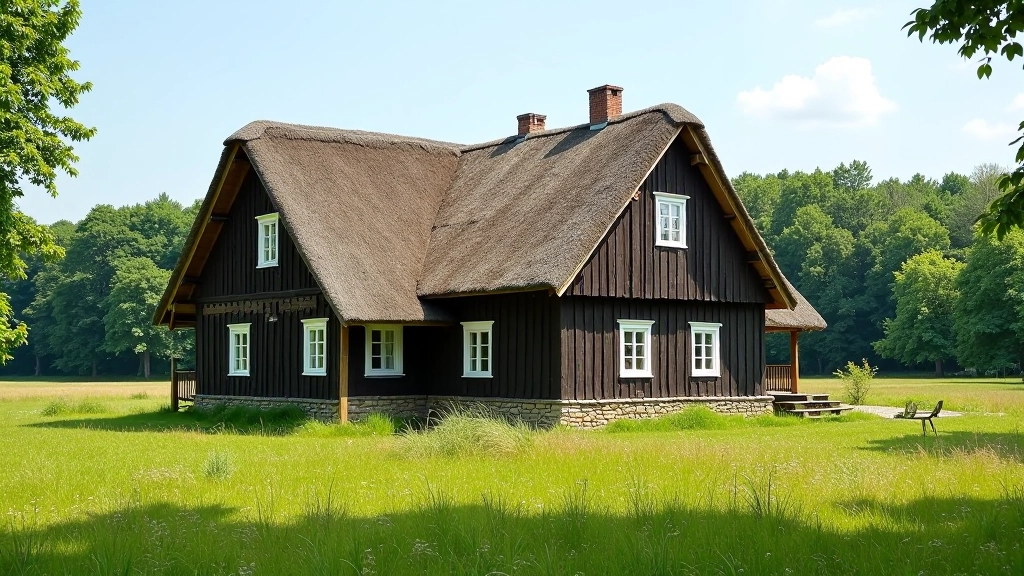
The Latvian Ethnographic Museum isn't just a place to walk through quickly. It's designed for wandering, for pausing at exhibits, for absorbing the stories of traditional farmsteads and lake walks. But it's also a place where you'll cover real ground — sometimes on uneven terrain.
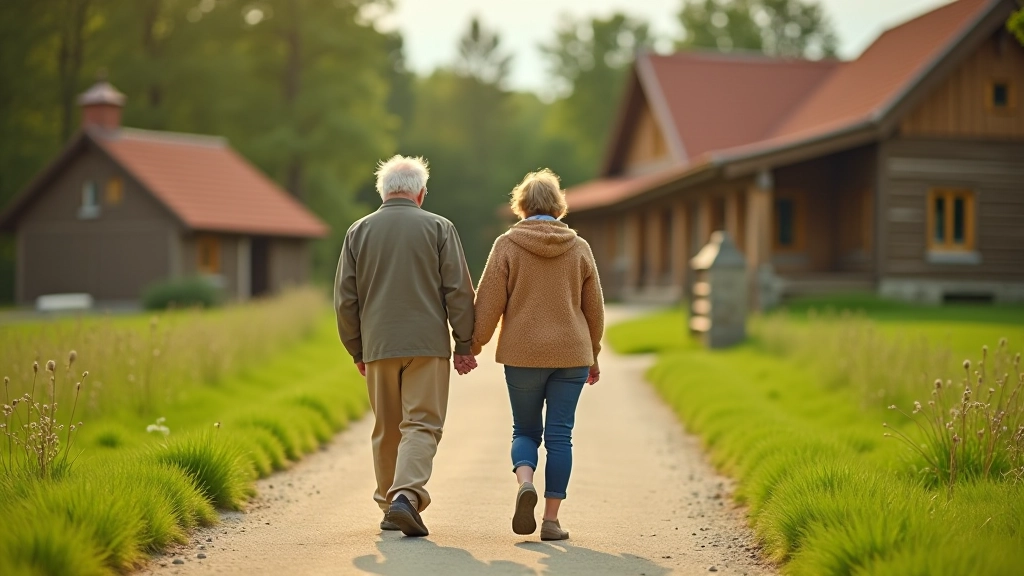
A little preparation makes all the difference. We're not talking about complicated checklists or military-style scheduling. Just thoughtful choices about what to wear, when to go, and how to pace yourself so you'll actually enjoy every minute instead of feeling rushed or exhausted.
Comfortable Pace
Plan 3-4 hours for a relaxed visit with rest stops.
Weather Ready
Dress in layers — weather changes throughout the day.
Know the Layout
The museum spans 90 hectares with both paved and natural paths.
What to Bring: The Essentials
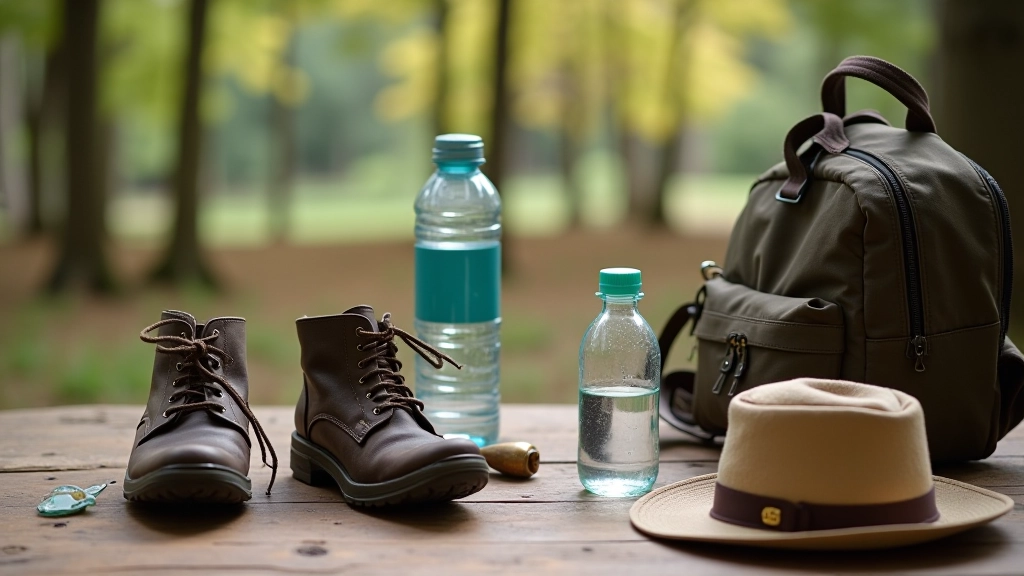
You don't need much, but what you bring makes a real difference. Start with comfortable walking shoes — not new ones. Break them in at home first. The paths mix paved areas near the main farmstead with gravel trails and some softer ground around Jugla Lake.
Bring a small backpack with water. We're not exaggerating — you'll want at least 1-2 liters, especially if you visit in warmer months. There's a café near the entrance, but you'll appreciate having water available throughout your walk.
A light jacket is essential. Even in summer, the temperature around the lake can be 5-10 degrees cooler than in the city. A hat or cap helps with sun protection and wind. If you're prone to blisters, bring bandages. If your knees are sensitive, consider compression sleeves.
Important Note About Accessibility
The museum is generally accessible, but it's not entirely flat. About 70% of the main paths are paved or well-maintained gravel. Some farmstead interiors have small steps. If you use a mobility aid, call ahead to discuss the best routes — staff can suggest the most comfortable walking paths for your needs and point you toward rest areas.
Choosing Your Best Time
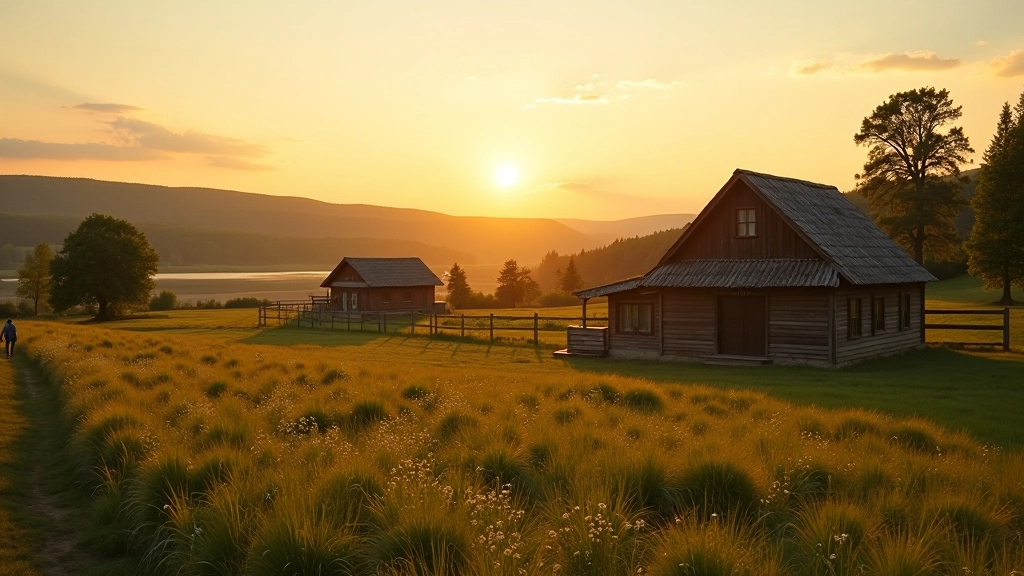
Timing isn't just about when the museum opens — it's about when you'll actually enjoy it most. Weekday mornings, especially Tuesday through Thursday, are quieter. You'll move at your own pace without navigating crowds. The museum opens at 10 AM, and arriving right at opening gives you the most relaxed experience.
Spring and early autumn are ideal. May through June and September offer comfortable temperatures — not too hot, not cold. Summer can be crowded and warm. Winter's beautiful but requires extra precautions on potentially slippery paths.
Avoid visiting right after heavy rain unless you enjoy mud. The grounds dry out within a few hours on most days, but you'll want firm footing on natural paths. Check the forecast and plan accordingly.
Pacing Yourself: The Real Strategy
Start Slow, Not Fast
Your first 20 minutes should feel easy. You're warming up, getting your bearings, settling into the atmosphere. Don't try to see everything in the first hour.
Rest After 45-60 Minutes
Find a bench. There are several scattered throughout the grounds. Sit for 10-15 minutes, have some water, watch people or birds. This isn't wasted time — it's part of the experience.
Focus on What Interests You
You won't see everything, and that's fine. Spend extra time at farmsteads you love, skip ones you don't. The museum has over 100 buildings — be selective.
Eat Something Real
The café serves traditional Latvian food. A light meal halfway through (around 1-1:30 PM) gives you energy for the second half. Don't skip eating — you'll get tired faster.
Most people plan 3-4 hours for a comfortable visit. Some folks do 2 hours and focus on one area. Others spend 5-6 hours exploring thoroughly. There's no wrong answer — it's about what feels right for you.
Jugla Lake Walks: Special Considerations
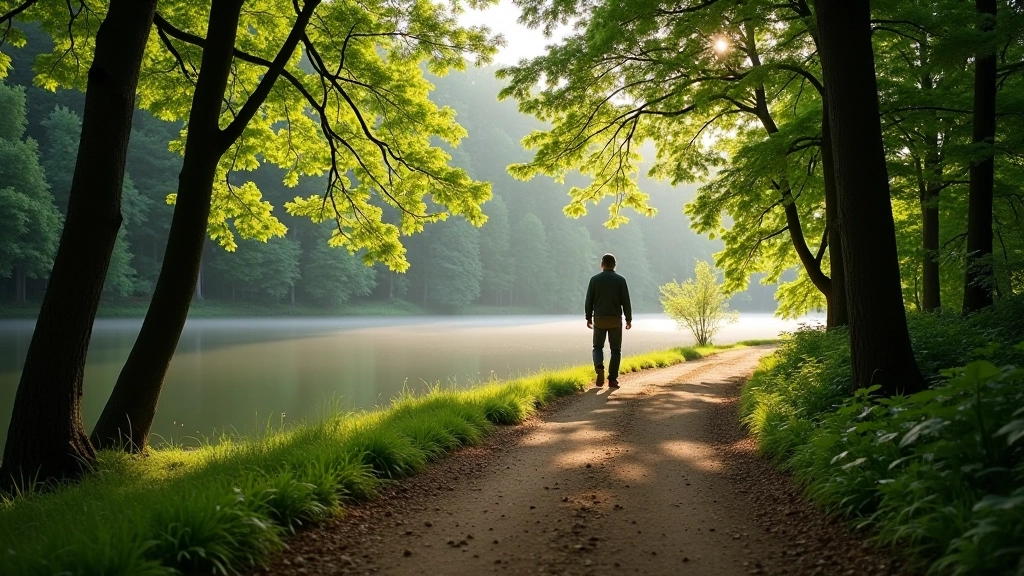
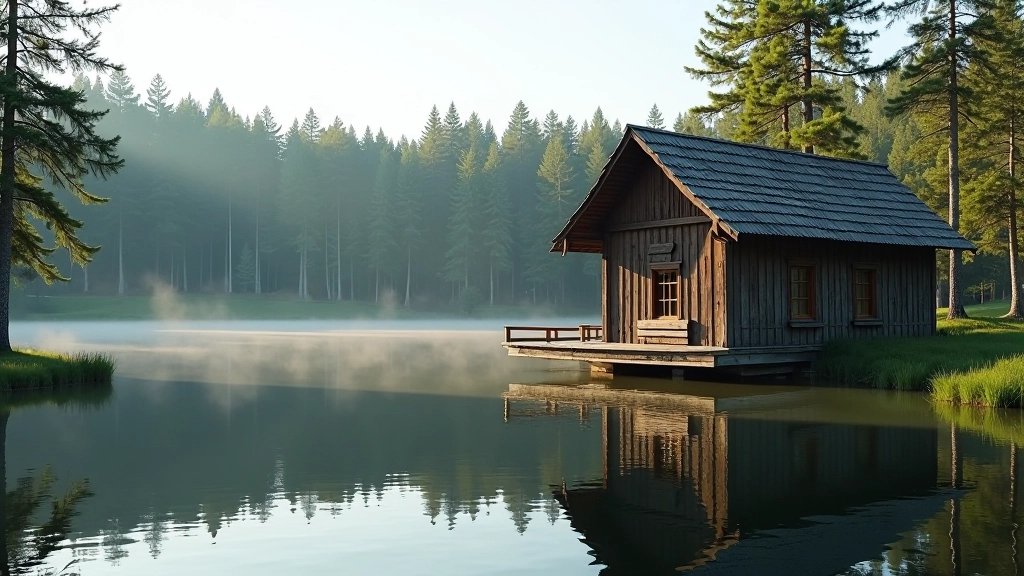
The Jugla Lake paths are among the most scenic parts of the museum grounds. They're also softer underfoot — you'll be on natural soil and sometimes boardwalks. Wear shoes with good grip. The paths are well-maintained but not as hard-packed as the main farmstead areas.
These walks are gentler on joints than urban pavement, actually. Many people find the natural surface easier on their knees than concrete. Just go slowly and use trekking poles if that helps you feel more stable.
The lake area has several benches with views. It's the perfect spot for that rest break we mentioned. Sit, listen to the water, watch for local birds. You'll find this peaceful.
Where to Rest and Refuel
Benches Throughout Grounds
There are about 20 benches scattered across the museum. Most have shade or partial shelter. The ones near the lake are particularly peaceful.
Main Café
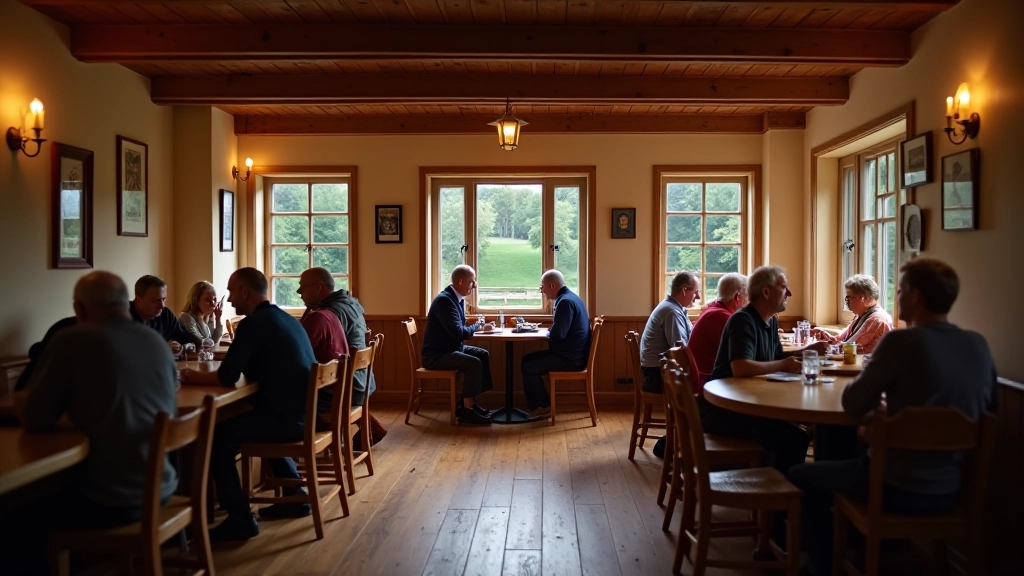
Located near the entrance, serves warm and cold drinks, light meals, and traditional Latvian snacks. It's a comfortable place to sit for 30 minutes.
Farmstead Interiors
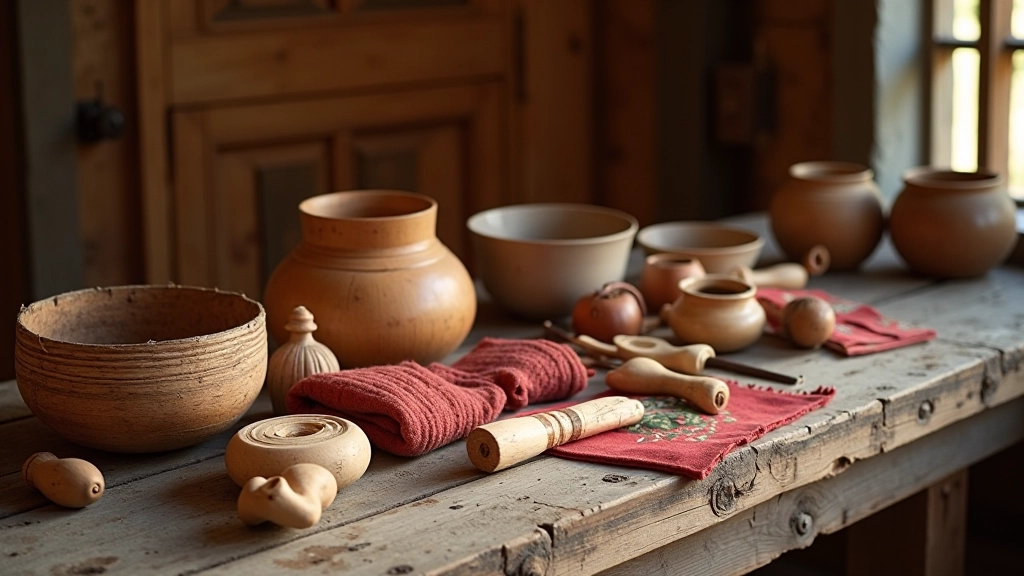
Many historic buildings have benches inside. You'll get shade and shelter while experiencing how people lived. It's restful and educational.
Picnic Areas
You're welcome to bring a picnic. Several quiet spots offer tables and benches away from main paths — perfect for your own lunch.
Practical Details That Matter
Bathrooms are available at the main building near the entrance and in a few farmstead locations. They're clean and accessible. Don't wait until you're desperate — use them during natural rest stops.
Mobile phone service is spotty in some areas, especially near the lake. That's actually nice — you'll disconnect. But download a map if you want it. Staff at the entrance can give you a printed map too.
The museum is open year-round. Hours are 10 AM to 6 PM in summer (May-September) and 10 AM to 4 PM in winter. Coming in shoulder seasons (April or October) means comfortable weather and fewer visitors.
You'll Know You Did It Right When...
You're not exhausted at the end of the day. You remember specific moments — the way light fell through a farmhouse window, the sound of the lake, a particular craftsman's tool you saw. You found yourself lingering somewhere you didn't expect to. You sat on a bench and felt genuinely peaceful. You're already thinking about coming back, maybe to explore a different part next time.
That's what a good visit looks like. Not rushed, not cramped, not checked off a list. Real, present, memorable. The museum's been preserving Latvian culture for over 100 years. It'll be here next time too. This visit is about you, not about seeing everything.